
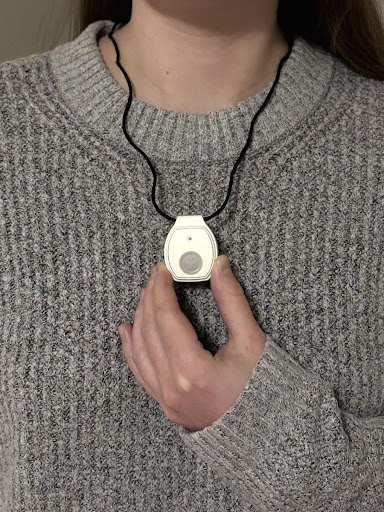
A fall at home is rarely dramatic. A shoe catches the lip of a rug, a hip meets the tile, and the person cannot get back up. In a quiet house on Balboa Island or up a Corona del Mar side street, the fall itself is not the whole problem. The wait afterward is.
Monitored panic alarms exist to shorten that wait, and the Canadian provider Life Assure builds its senior systems around that single idea. Tracing what happens minute by minute is useful for any family, whichever provider they eventually look at.
Life Assure is a Canadian company, and its monitoring service is available to customers in Canada only.
Minute One: The Press and the Voice
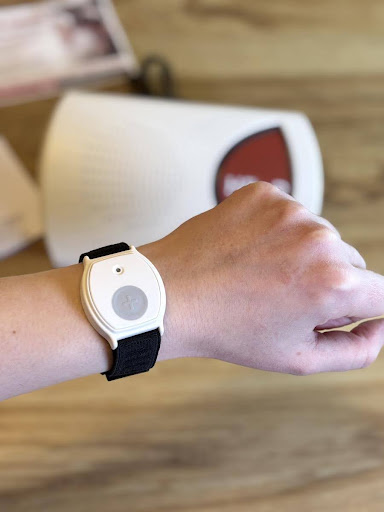
The wearer pushes a button on a pendant or a wrist strap. That press reaches a response center that never closes, on any day of the year. Three things follow in quick succession.
- The signal lands at the center, often inside 30 seconds.
- A specialist opens two-way voice and confirms the account.
- The household file loads with the address and the call list.
Two-way voice is the piece families tend to underrate. It turns a silent alarm into a conversation. The specialist can hear whether someone is winded, disoriented, or simply embarrassed and sore.
Fall detection sensors now ship inside many models. They read a sudden drop and open the line with no press at all. The feature earns its place when a fall leaves the button out of reach.
Minute Three: Sorting Out Who Gets Called
Not every alert needs an ambulance. A staffed center works from a household file written when the account is set up. That file usually holds four kinds of detail.
- Current medications and any notes on mobility.
- The gate code and where a spare key sits.
- A ranked list of 3 or 4 people to reach.
- Notes on pets, stairs, and which bedroom is in use.
A neighbor three doors down is often the fastest useful answer. A daughter in Irvine might be second on the list. A 911 dispatch follows when the specialist judges the situation warrants it.
Treat that call list as a living document. Numbers change, neighbors move away, and a stale list costs time nobody has.
Minute Seven: Getting Somebody Through the Door
Responders cannot help a person they cannot reach. A locked front door adds minutes at the worst possible moment. Most providers sell a small key lockbox whose code sits in the household file.
Knowing which agency answers your address is worth checking now rather than later. The Newport Beach Fire Department runs the city’s paramedic and ambulance service, and its crews field a steady volume of medical calls. Response times shift with traffic, time of day, and what else is happening across town.
Gate codes deserve the same attention. Condo buildings near Fashion Island change access systems more often than residents expect. Update the file whenever the code changes.
Why a Wearable Beats the Kitchen Phone
A handset only helps where it sits. Someone on the floor of a back bedroom cannot reach the kitchen counter. A wearable travels with the person all day, which is the entire point.
Bathrooms deserve special thought. Wet tile and low grab bars make that room a common site for falls at home. Ask whether the rating allows the device in the shower, because a pendant left on the nightstand protects nobody.
Range matters outdoors too. Home units typically reach 600 to 1,000 feet from the base, which can still stop short of a back garden. Mobile units with cellular service and location sharing close that gap. Backup batteries in a base unit commonly hold 24 hours or more.
 Questions Worth Asking Any Provider
- Where does the response center sit, and who staffs it overnight?
- Is the device water rated, and to what standard?
- Does the unit run on cellular, home Wi-Fi, or a landline?
- How many hours does the backup battery hold in an outage?
- How long does the wearer have to stand down a false alarm?
- Can family members review the alert history later?
Public guidance can fill in the gaps around equipment. The California Department of Aging points residents toward local aging services, caregiver support, and county programs across the state.
Where Newport Beach Families Can Start
A device is one layer, not a plan. City programs already reach older residents here, including the OASIS seminars that run through the year in Corona del Mar. Those sessions are a low-pressure place to raise the subject with a parent.
Neighborhood readiness helps as well. The city’s teen CERT program trains young residents in basic emergency response. Households that know their neighbors recover faster from small emergencies.
Frequently Asked Questions From Newport Beach Families
Does a Panic Alarm Need a Home Phone Line?
Most current systems use a cellular connection instead. They keep working when the internet drops or the phone line is cut. Ask which network the unit uses and how strong the signal is at the address.
What Happens After an Accidental Press?
Nothing dramatic. The specialist opens the voice line and asks what is going on. Say it was a mistake, and the alert stands down within a minute. Providers expect these calls and treat them as good practice.
How Does Water Resistance Change Daily Wear?
A rated device stays on through a shower, which covers a high-risk stretch of the morning. An unrated one comes off and often stays off. Check the rating for the exact model rather than the product line.
How Do Families Bring Up the Subject With a Parent?
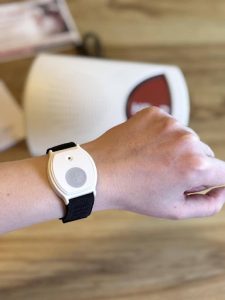
Lead with the routine the parent wants to protect, not with risk. Framing the device as a way to keep gardening, walking, and living alone tends to land better. Let the parent choose the wearing style, since a pendant and a wristband suit different people.
A Quiet Backup for an Independent Life
None of this replaces a phone call on a Sunday or a neighbor who notices the newspaper piling up. A monitored button simply removes the worst version of a bad afternoon, which is lying on the floor with no way to reach anyone. Heading into 2026, families who understand the first ten minutes ask sharper questions of every provider they consider. That understanding is the part worth carrying away, whatever equipment ends up in the house.
The post The First Ten Minutes After a Panic Alarm Is Pressed appeared first on Newport Beach News.