
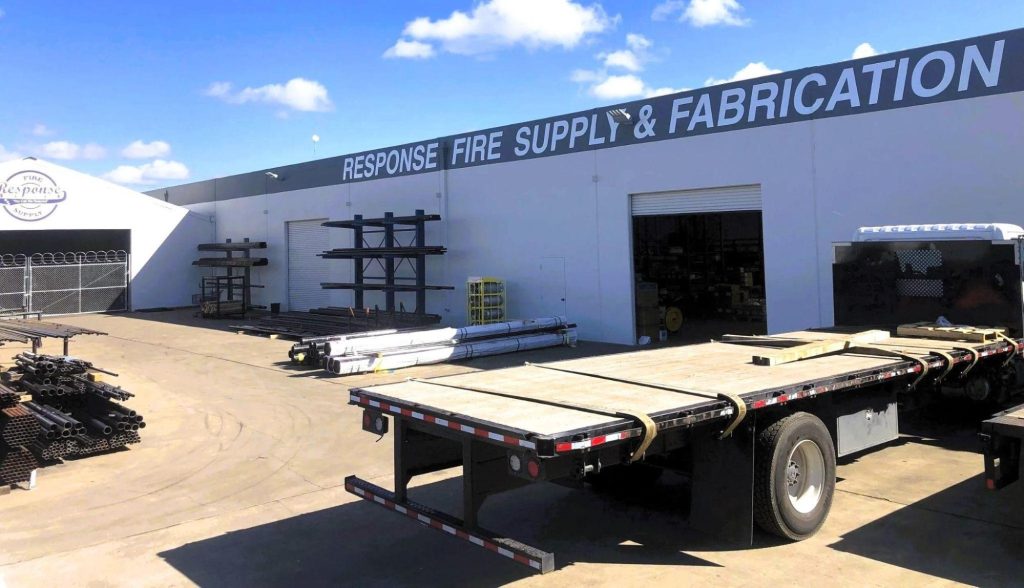
When Devin Doyle of Newport Beach looks at a map of the United States, he sees more than the average American. He can describe a patchwork of climates, building codes, and risk profiles across the whole of the Western US, each demanding a different approach to fire protection.
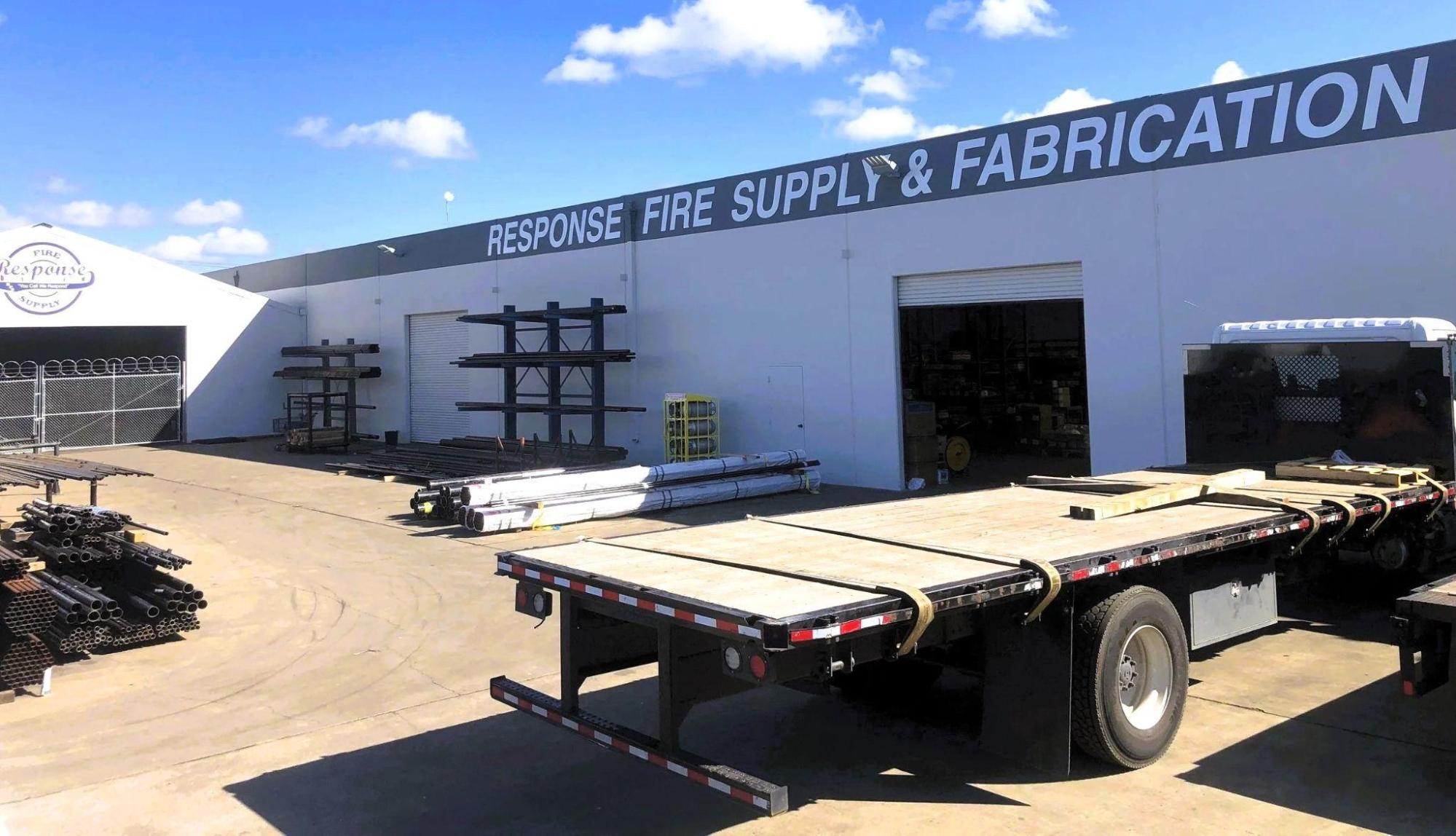
As the founder and owner of Response Fire Supply, Doyle has spent more than a decade serving California, Nevada, and Arizona. The lessons learned along the way reveal why fire protection and supply have far more variables than most inside or outside the industry realize.
A Career Built on Systems Thinking
Devin Doyle’s path into fire protection started at Menlo College in 1984, when he graduated with a degree in business. He moved through several sales roles before it was time for him to take the lead, co-founding Reaction Supply. There, he served as Vice President and helped grow the company to seven branches across California and Nevada.
Doyle didn’t stop there. After selling Reaction Supply, he founded Response Fire Supply in 2013. Now, his operation spans five branches with locations in Santa Ana, Las Vegas, and Phoenix, two of which double as fabrication facilities.
Few suppliers in the industry can share Doyle’s unique perspective. He’s built and rebuilt, scaled and refined, and learned that supplying multiple states with their fire protection needs isn’t simply a matter of successful branches or positive business. He knows that each new market brings new demands, and he has answers for them.
Why Geography Matters
Many suppliers treat fire protection like a uniform discipline, expecting the same sprinkler system to work the same way, whether it’s hooked up in Phoenix or San Francisco. Doyle knows that assumption falls short.
Regions like Nevada and Arizona are more arid than anywhere else in the United States, so they face completely different fire dynamics than somewhere like Coastal California. The dry heat in the Southwest affects building materials, water supply, and how inspection cycles and fire codes are built. All of these change by location, which means different states can feel like completely different worlds.
A fire protection supplier serving the Western United States has to understand all of it, not just the technical specifications of the products on the shelf. In Doyle’s case, he builds local expertise into every branch, so that his Las Vegas team understands Nevada’s desert climate and his California branches understand how to operate in one of the most fire-conscious states.
Response Fire Supply serves sprinkler contractors who face it all and can’t afford to be slowed down by a vendor that operates on a “one size fits all” model.
The Real Challenge: Multi-State Compliance
Anyone who has worked in regulated industries knows that compliance gets exponentially harder as you cross state lines. Fire protection is no exception.
Doyle has watched the regulatory landscape grow more complex year over year: new amendments to building codes, updated standards from organizations like the National Fire Sprinkler Association and the American Fire Sprinkler Association, and increasing pressure on contractors to document everything.
His view is that compliance shouldn’t be a bottleneck. A fire protection supplier’s job is to make the contractor’s life easier, not harder. That means stocking the right products for the right code requirements, maintaining manufacturer relationships that can actually deliver on time, and giving contractors the technical guidance they need to keep projects moving.
Doyle has been an active member of both the National Fire Sprinkler Association and the American Fire Sprinkler Association for years. That involvement is how he stays ahead of regulatory shifts that will affect his customers months or years before those changes reach the field.
Fabrication as a Competitive Edge
Two of the California branches at Response Fire Supply also operate as fabrication facilities. That’s not an accident.
When Devin Doyle brought fabrication in-house, he made a deliberate decision to put a stop to the delays, quality inconsistencies, and communication breakdowns he saw other contractors dealing with if they depended on outside shops.
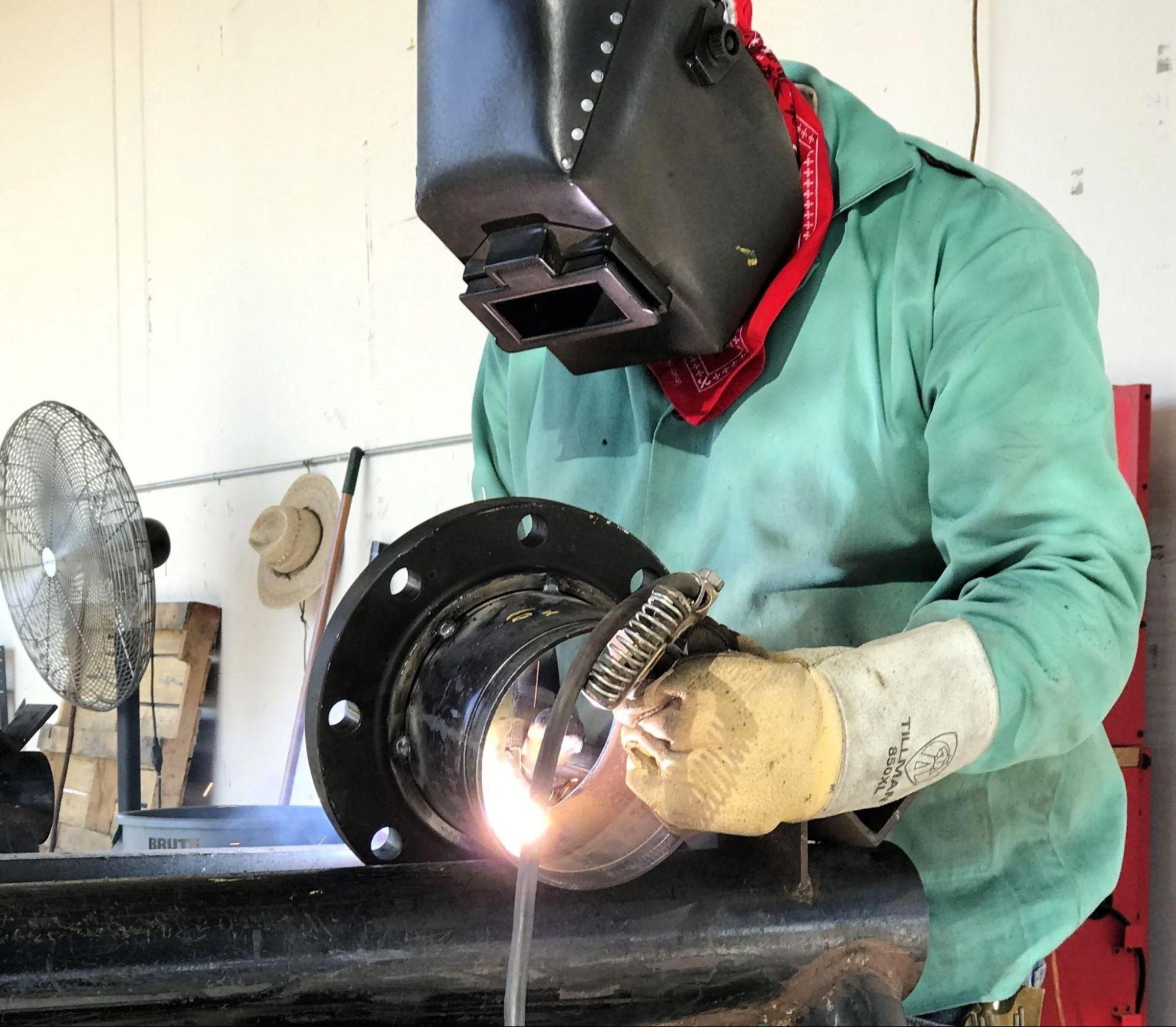
By owning the fabrication process, Response Fire Supply gives contractors a single point of accountability. They know that the same company that supplies their materials also produces the prefabricated assemblies.
Response Fire Supply’s clients enjoy fewer handoffs, fewer mistakes, and faster turnaround. In an industry where a delayed sprinkler installation can hold up an entire construction project, such process integration matters.
Proactive Philosophy
If there’s one idea running through everything Devin Doyle has built, it’s this: fire protection should be proactive, not reactive. Doyle’s actual approach is the opposite of waiting for emergencies. The real work happens long before any fire starts, through system design, material quality, and relationships with the people who install them.
He talks about fire protection as an investment for the future. A business that views safety as a compliance checkbox has misunderstood the math, but a business that treats safety as part of its operational foundation is one that can grow with confidence.
Doyle has spent thirty years making that case to people who eventually came around, and his track record suggests he’s been right more often than not.
What’s Next for Response Fire Supply
The fire protection industry is changing. IoT-enabled monitoring, smarter sprinkler designs, and tighter integration between detection and suppression systems are reshaping what’s possible. Doyle has been watching these shifts closely, and he sees real opportunity in the move toward more intelligent fire safety infrastructure.
For Response Fire Supply, the focus stays on serving sprinkler contractors across the Western United States with reliability, expertise, and a partnership that makes hard projects easier, whether that means expanding the branch footprint, deepening fabrication capabilities, or simply continuing to be the supplier contractors trust when the stakes are high.
Build systems that last. Maintain relationships that matter. And never lose sight of what you’re really selling: the confidence that lives and property will be safe when it counts.
The post Devin Doyle on Scaling Fire Protection: How It Works Differently in the Western United States appeared first on Newport Beach News.